
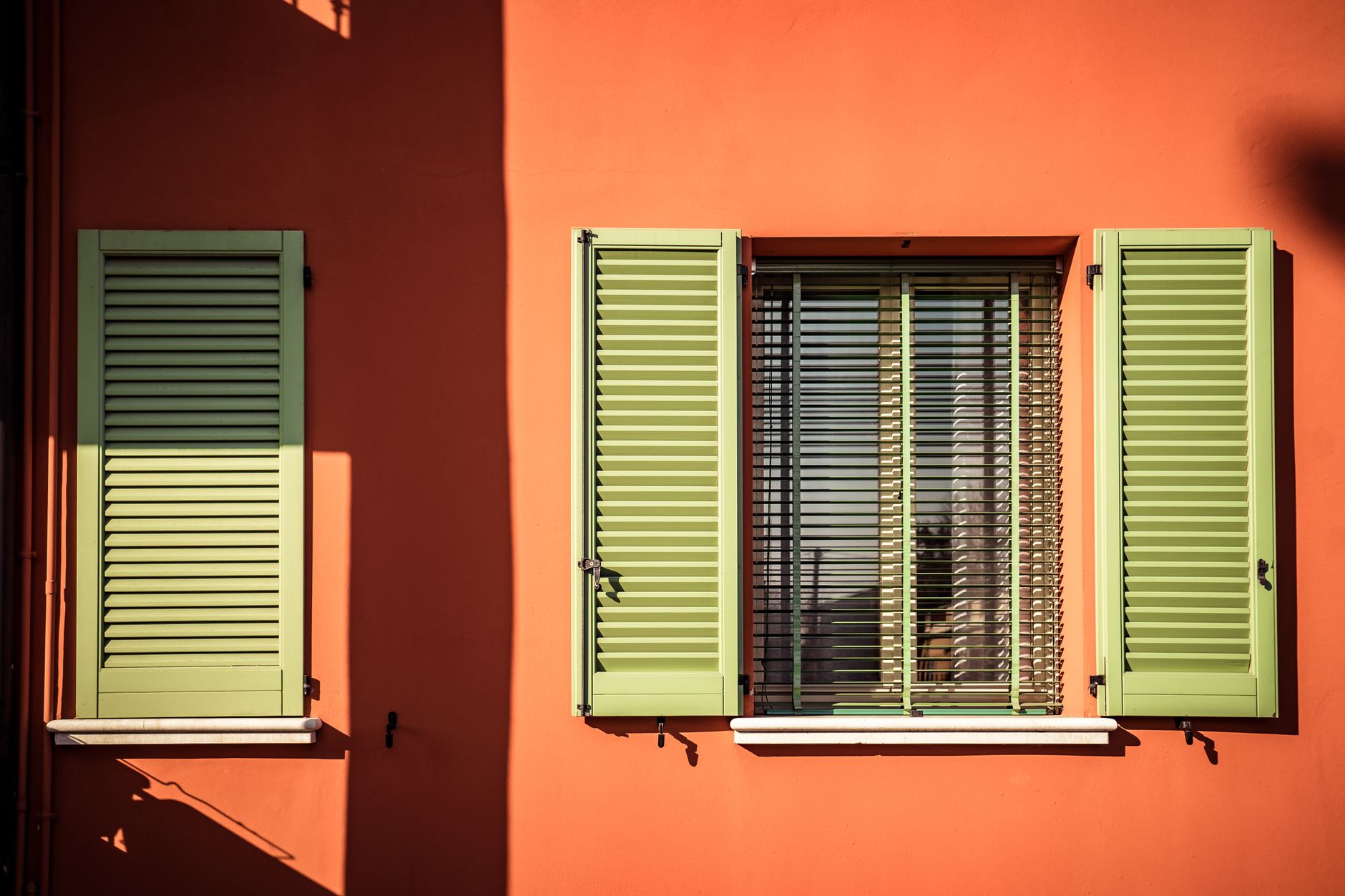
Photo by Vlad Chețan on Pexels (https://www.pexels.com/@chetanvlad)
Facade Painting: Technological Process and Practical Tips
Painting a facade is much more than just an aesthetic update. It is about protecting your home's exterior from environmental factors. In Georgia, where the climate is diverse and humidity levels vary by region, poorly chosen materials or improper techniques can quickly lead to fading or peeling paint. Here is a professional guide on how to plan this process correctly.
1. Diagnostics and Preparation
Before you think about choosing a color, it is essential to assess the condition of the wall. An experienced, verified professional will first check the surface for moisture and structural integrity.
- Moisture Control: Never paint a freshly plastered wall. Concrete and cement surfaces must dry completely (at least 28 days). High moisture leads to condensation buildup under the paint, causing it to flake off.
- Cleaning: Old, peeling paint or fungal growth (mold) must be removed. Pressure washing the facade is necessary to ensure the surface is clean and free of dust.
- Filling Cracks: Even tiny cracks can become points of water ingress. Use a special facade filler that is resistant to temperature fluctuations.
2. Technical Choices: Paint Types
Selecting the right paint for common materials in Georgia (tuff, brick, concrete) is crucial:
- Acrylic Paints: Best for concrete and cement surfaces. They adhere well and are resistant to UV rays.
- Silicone Paints: The champion of water resistance. They allow the wall to "breathe," which is important in humid regions.
- Silicate Paints: Ideal for old mineral plasters. They bond chemically to the surface and have high alkalinity, which prevents mold growth.
Pro-Tip: Comparing Paints
| Paint Type | Durability | Maintenance | Recommended Surface |
|---|---|---|---|
| Acrylic | High | Moderate | Concrete, Plaster |
| Silicone | Very High | Rare | Any, especially humid areas |
| Silicate | High | Low | Mineral surfaces, brick |
3. Application Mastery
Successful painting is 80% dependent on preparation and the use of the right primer. Using a primer is essential to balance the absorption capacity of the surface.
- Weather Conditions: The ideal temperature is between +10°C and +25°C. Never paint in direct sunlight, as the paint dries too quickly and loses adhesion.
- Number of Coats: At least two coats. The first should be thinner, while the second covers imperfections and creates a protective layer.
How to Identify Quality Work?
Before hiring a professional, make sure they follow these standards:
- Use of Primer: Do they use a specific facade primer rather than just diluted paint?
- Weather Considerations: Do they avoid working on rainy or excessively hot days?
- Technological Pauses: Do they respect the waiting time between coats (at least 12-24 hours)?
Maintaining your facade is an investment that increases the value of your home. At Sheniani.ge, you can find verified professionals with extensive experience working with facade paints. Request quotes and choose a professional who will be responsible for the quality of the work.