
Plumbing issues are among the most frustrating household problems. Even a minor leak that seems harmless at first can ruin furniture, damage wall finishes, and cause conflicts with downstairs neighbors. Homeowners often attempt to fix the problem themselves, but without accurate diagnosis, DIY attempts frequently lead to unnecessary expenses and complications.
In this guide, we will explore how to identify the exact source of a leak, what tools and materials you need for the job, the hidden risks of overtightening connections, and the going rates for professional plumbing services in Georgia.
Pinpointing the Leak: Which Part Has Failed?
Before deciding to replace the entire faucet, it is essential to determine precisely where the water is coming from. In most cases, replacing the entire mixer tap is unnecessary; swapping out a specific component is often enough:
- Water dripping from the spout: When the faucet is completely turned off but water continues to drip, the issue is almost always inside the valve mechanism. In single-handle mixers, this points to a worn ceramic cartridge, while in traditional two-handle models, it usually means a damaged rubber washer.
- Water leaking from the base of the handle: If moisture appears beneath the lever when moving it or turning on the tap, the culprit is typically a loose cartridge retaining nut or worn O-rings around the cartridge.
- Puddles around the base of the tap where it meets the sink: This happens when the base gasket between the sink and faucet loses elasticity, or when the mounting hardware works loose over time.
- Leaks from flexible supply lines (hoses): If water collects inside the cabinet under the sink, inspect the flexible supply hoses. It is common for braided metal braiding to fray or for the rubber gaskets at the shutoff valve connections to degrade.
Essential Tool Checklist: What You Need at Home
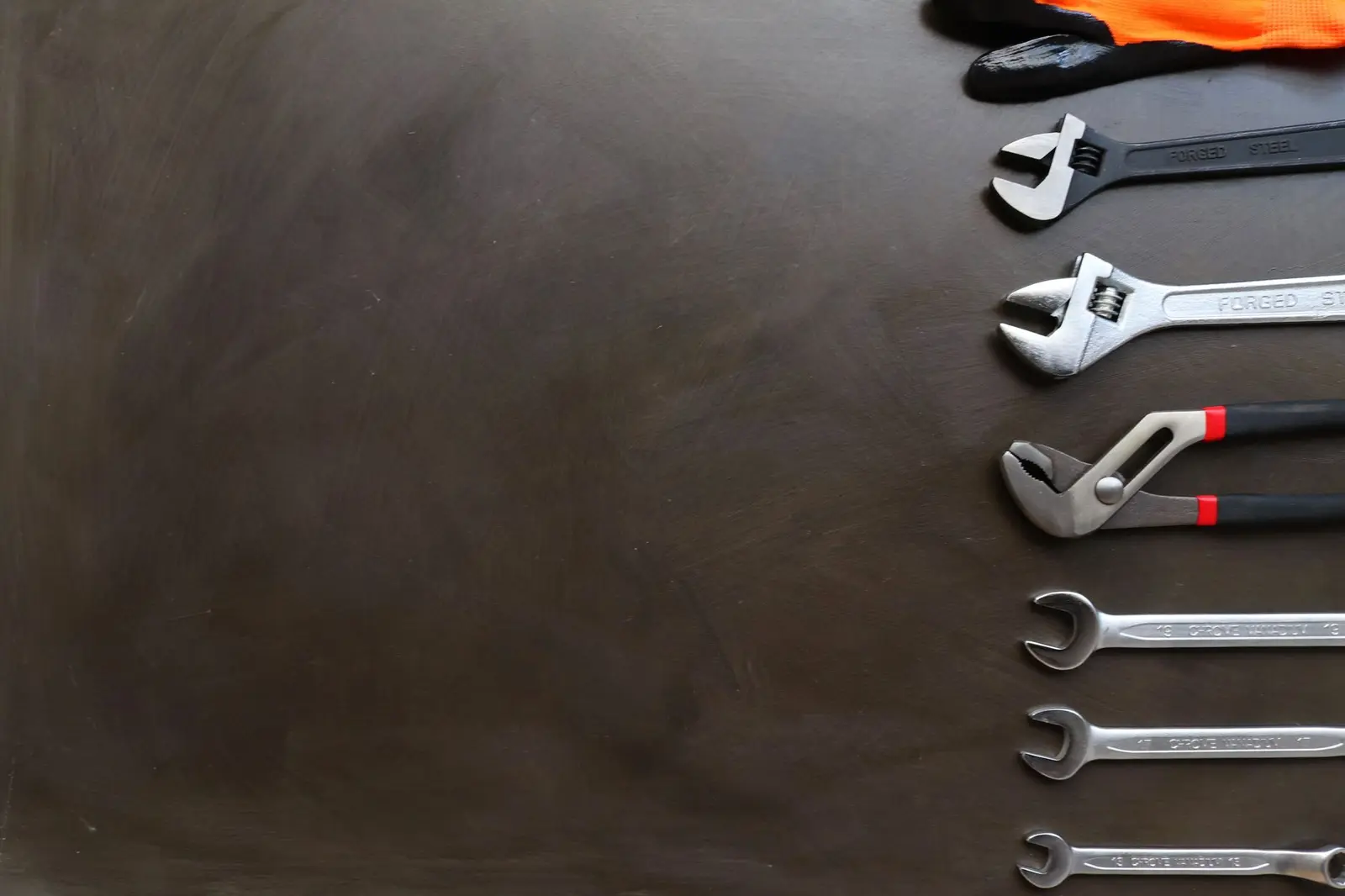
If you decide to tackle a basic repair on your own, prepare this essential toolkit in advance:
- Adjustable wrench: For loosening nuts and bolts of various sizes.
- Teflon tape (PTFE / plumber's tape): For sealing threaded pipe joints.
- Screwdriver set: To remove decorative caps and faucet handle screws.
- Assorted washers and O-rings: An assortment of rubber seals and rings in various sizes.
- Plumber's silicone sealant: For waterproofing joints between the sink and surrounding fixtures.
- Flashlight and microfiber cloth: To spot hidden drips and keep the work surface completely dry.
The Danger of Overtightening: A Costly Mistake
The most common mistake made by DIYers and beginner handymen is overtightening fittings. There is a common misconception that tightening a nut with as much force as possible ensures leak-proof performance. In reality, excessive torque causes serious problems:
- Damaged rubber gaskets: Overtightening crushes or shears the rubber against sharp metal edges, destroying its seal and actually worsening the leak.
- Stripped threads: Brass and plastic fittings strip easily under excessive force; once the threads fail, the part is ruined and must be replaced.
- Cracked faucet bodies: Inexpensive modern fixtures are often made of cast zinc alloy (silumin), which is brittle and snaps easily under high pressure.
The golden rule: Hand-tighten until snug, then use a wrench for just another half to three-quarters of a turn.
A Three-Step Approach: Repair, Prevention, and When to Call a Pro
1. Quick DIY Fixes
If your faucet is dripping, shut off the main water valve, remove the handle, take out the cartridge, and bring it to a hardware store to find an identical match. Installing the replacement cartridge and tightening the retaining nut properly usually takes only 15–20 minutes.
2. Preventive Maintenance
In Tbilisi and other regions of Georgia, tap water frequently carries fine sediment and mineral deposits. Unscrew the aerator mesh at the tip of the spout once a month and soak it in a vinegar solution. This protects your plumbing from uneven pressure and keeps faucet cartridges from clogging prematurely.
3. When to Call a Professional
If you notice moisture spreading on walls where internal pipes run, experience a sudden drop in water pressure throughout the apartment, smell sewage, or are dealing with concealed in-wall fixtures, do not attempt DIY repairs. These issues demand specialized diagnostic equipment and professional expertise.
How Much Does Plumbing Repair Cost in Georgia?
Plumbing service rates depend on the complexity of the job and the required materials. Average prices across Georgia generally break down as follows:
- Spare parts: A quality faucet cartridge costs between 10 and 35 GEL in hardware stores. A pair of flexible supply hoses runs 15 to 40 GEL, while Teflon tape and a washer set cost around 5 to 10 GEL.
- Faucet or cartridge replacement: A service visit for basic faucet repair or replacement typically costs 30 to 60 GEL.
- Sink trap (P-trap) replacement or cleaning: Service costs usually range between 35 and 50 GEL.
- Toilet flush mechanism repair: Replacing toilet tank fittings averages 40 to 70 GEL.
- Complex pipe leak repair: If pipe welding, soldering, or partial wall demolition is required, prices range from 80 to 150+ GEL.
Always ask the tradesperson for a detailed estimate before work begins and clarify whether the cost of materials is included in their quote.
Summary
Regular plumbing inspections and promptly addressing minor issues will save you money and headaches down the road. The key is to realistically assess your DIY skills and avoid rookie mistakes like overtightening connections.
If the job seems daunting or you lack the proper tools, post a task on the Sheniani platform. We will connect you with verified local tradespeople whose ratings and customer reviews you can easily compare before making a decision.