
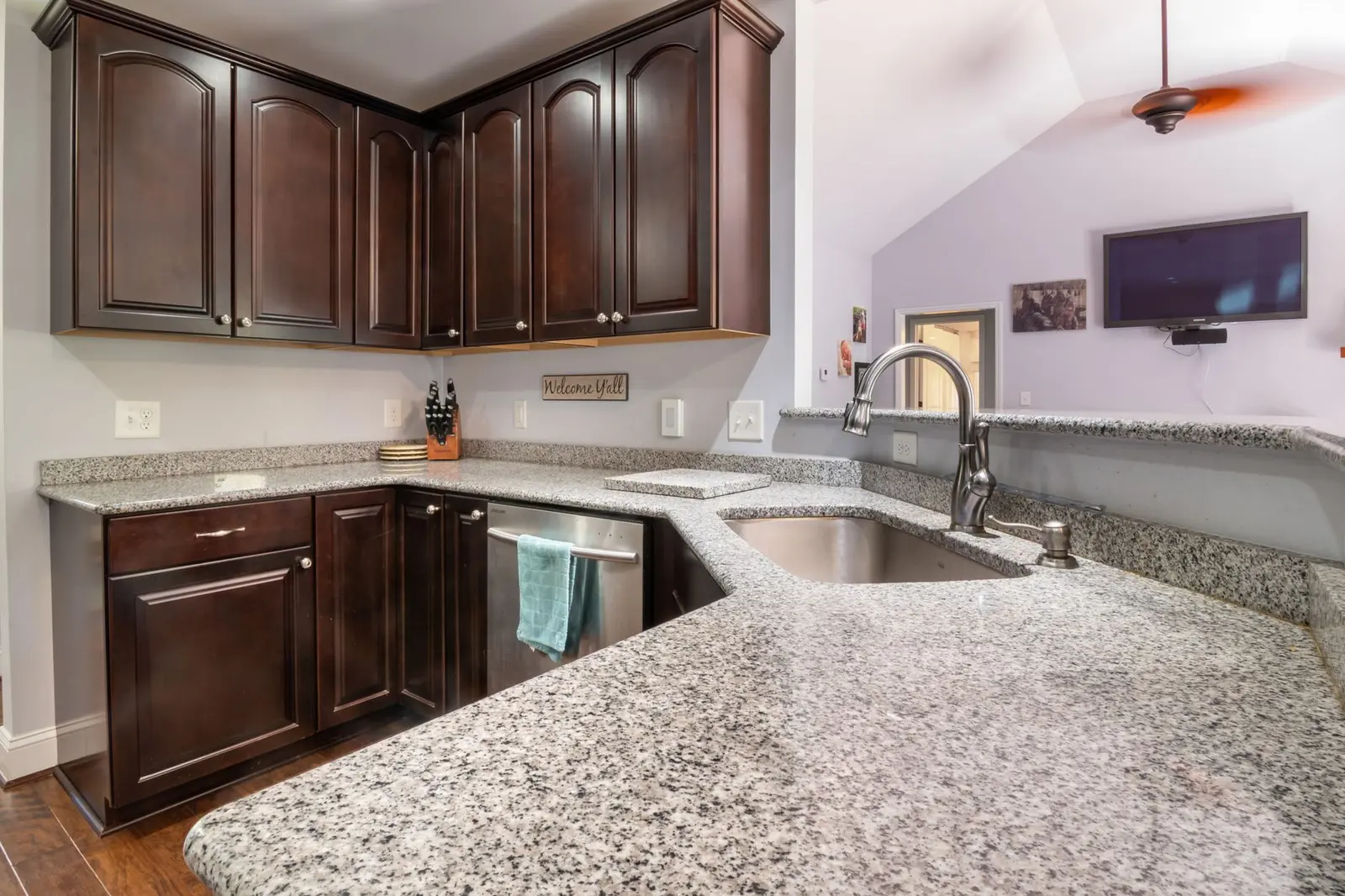
When planning a kitchen, choosing the countertop is one of the most critical decisions. This surface endures daily mechanical wear, moisture, hot cookware, and food acids. That is why natural stone holds a special place in modern interior design: it blends exclusive aesthetics, monumental strength, and eco-friendliness.
Every slab of natural stone is unique with its own veining and texture, but not all stones perform equally under kitchen demands. Let's explore the most popular options, their pros and cons, pricing, and care tips.
Why Choose Natural Stone in Kitchen Design?
Compared to synthetic materials, natural minerals offer several clear advantages:
- High heat resistance: Placing a hot pot or pan directly on the surface won't damage natural stone, unlike laminate or acrylic.
- Unique visuals: Natural veining, mineral inclusions, and color transitions lend an interior a premium look while boosting the property's market value.
- Long lifespan: With proper care, natural stone retains its original beauty and qualities for decades.
Granite, Marble, or Quartzite: A Comparison
In the Georgian market, three types of natural stone are most commonly used:
1. Granite: The Leader in Practicality and Durability
Granite is a dense igneous rock. It boasts exceptional scratch resistance and absorbs virtually no liquids when properly sealed. Granite is an ideal choice for busy households that cook often. It is easy to clean and doesn't require overly delicate handling.
2. Marble: Unmatched Elegance That Demands Attention
Marble creates a sense of luxury and refinement in an interior. Its soft texture and distinctive veining make it a premier choice for classical and minimalist designs alike. However, marble is porous and calcium-rich. In a Georgian kitchen, where red wine, tkemali (plum sauce), pomegranate juice, or vinegar are kitchen staples, marble is vulnerable: acids react with the stone, causing etching, staining, and loss of polish. If you choose marble, be prepared for routine cleaning and regular sealing.
3. Quartzite: The Beauty of Marble with the Strength of Granite
Quartzite is a natural metamorphic stone (not to be confused with engineered quartz). It forms from sandstone under intense heat and pressure. Visually, quartzite often resembles marble, yet its hardness even surpasses granite. It is resistant to scratches and etching from acids, though fabricating and working with it requires specialized craftsmanship.
How Much Does a Natural Stone Countertop Cost in Georgia?
The final cost of a kitchen countertop consists of several components: the price of the stone slab itself, edge fabrication, sink and cooktop cutouts, transportation, and installation.
In Tbilisi and the regions, the average price range is as follows:
- Granite: The price per square meter varies between 250 and 650 GEL depending on the variety. Exotic imported types can reach up to 800 GEL.
- Marble: High-quality marble starts from 300 GEL and reaches up to 900 GEL per square meter.
- Quartzite: As the most difficult material to quarry and fabricate, quartzite costs between 600 and 1,400 GEL per square meter.
- Fabrication and installation: Specialist services—including precise templating, cutting, edge profiling, and installation—typically cost between 150 and 350 GEL per linear meter.
Maintenance Tips for Everyday Living
To ensure that your investment in natural stone lasts for decades, keep the following guidelines in mind:
- Sealing (Impregnation): After installation, the stone must be treated with a water- and oil-repellent sealer. This is recommended annually for marble, and once every two years for granite.
- Wipe up spills immediately: Never leave drops of Saperavi wine, citrus juices, or coffee on the surface for extended periods.
- Use pH-neutral cleaners: Avoid abrasive scouring powders and chlorine-based cleaners. Clean only with a soft microfiber cloth and a gentle, stone-safe detergent.
How to Choose a Qualified Craftsman?
Working with natural stone leaves no room for error. A wrong cut or an inaccurate sink cutout can ruin an expensive slab. Furthermore, installing heavy stone requires properly reinforcing the cabinetry framework so the furniture can support the weight.
When looking for a craftsman or company, pay close attention to their experience and past portfolio. Request photos of their joints (seams) to verify cutting precision. Agree on terms beforehand, request a written warranty for the installation quality, and clarify whether cutting and delivery are included in the quote.
If you are planning a kitchen renovation and need an experienced craftsman for stone fabrication, cabinetry assembly, or plumbing, post a request on the Sheniani platform. You can compare offers from local pros, check verified customer reviews, and choose the best specialist for your project.