
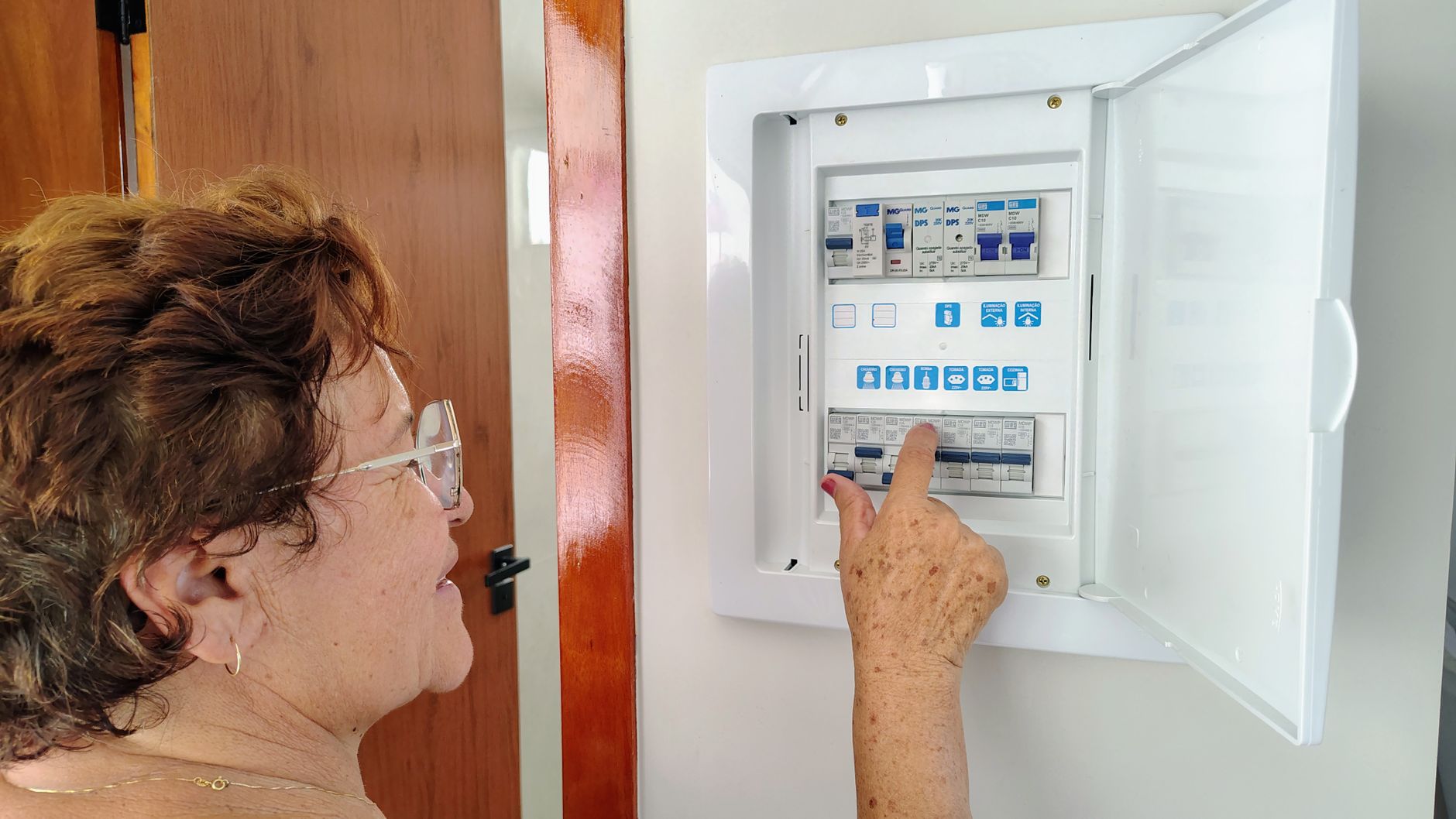
Electrical Wiring Safety: When Details Save Lives
Imagine a typical scenario: A family living in an older apartment building in Tbilisi decides to install modern kitchen appliances. A new dishwasher and a powerful electric stove caused the system to overload in just a few days. The result? Constantly "tripping" circuit breakers and melted sockets. This isn't just a technical glitch; it is an alarm signal that is often ignored.
In the practice of Sheniani.ge, we often encounter such cases where owners solve the problem with temporary "quick fixes," such as adding power strips (so-called "multi-plugs"). Let's learn how to assess the danger like a professional.
Stage 1: Self-Inspection — How to Spot the Danger?
Before you call a technician, observe your home yourself. Danger signs include:
- "Flickering" lights: If the light dims or flickers from time to time, this is a sign of faulty contacts or an overloaded network.
- Smells and sounds: The smell of burnt plastic or a "buzzing" sound coming from a socket absolutely requires immediate intervention.
- Warm panels: If the plastic on the circuit breaker box is warm, the system is already operating at a critical limit.
- Incorrect modifications: Externally routed, unsystematic wires on walls and damaged insulation are the main enemies of fire safety.
Stage 2: Protection Logic — What You Need to Know About Circuit Breakers
Many think that a circuit breaker is just a power switch. In reality, modern electrical installation relies on protective devices such as an RCD (Residual Current Device). Its function is simple: if it detects a current leak, it cuts off the power in a split second. If your old electrical panel only has old-style "fuses" or Soviet-era screw-in plugs, your home is not protected by modern standards.
System Health Checklist: The Age of Your Home
- Homes built before 1990: Aluminum wiring. This material degrades over time, cracks, and causes contacts to burn. Recommendation: Full diagnostics and, if necessary, replacement with copper wires.
- 2000-2010: The wiring might be copper, but it is often of insufficient cross-section for modern appliances.
- Modern new builds: It is necessary to check the presence and integrity of the grounding system, especially in wet areas.
Stage 3: Professional Audit — What Should You Expect from a Technician?
When you call a verified technician on Sheniani.ge, the audit should not be limited to just replacing a damaged socket. A professional must check:
- Insulation resistance: The condition of wires inside the walls is evaluated using special tools.
- Load distribution: Whether the capacity of the circuit breakers matches the energy you are consuming.
- Grounding loop: Whether it is actually functional.
When Should You Contact Us?
Don't wait for sparks to appear. If the electrical wiring in your home hasn't been checked for more than 10 years, or if you are planning to add new appliances (air conditioner, electric stove), a professional electrical audit is essential.
On Sheniani.ge, you can post your request, receive quotes from verified experts, and ensure that your home is not just comfortable, but also safe. Protect your property today — contact a trusted technician through our platform.